
You learned the basics as a child — maybe you attended weekend classes, or a local madrasa, or someone at home taught you. But life moved fast. Work, responsibilities, and years passed. Now you’re sitting with an honest question: can I actually learn Islamic studies properly as an adult, online? And more importantly — will it stick?
You’re not alone in asking this. It’s one of the most common searches among Muslim adults who want to reconnect with their deen seriously, not just spiritually, but with real knowledge.
Table of Contents
- Why Adults Are Turning to Online Madrasas
- What an Online Madrasa Actually Offers Adults
- Is Online Islamic Learning as Effective as Traditional?
- What to Look for Before Enrolling
- How to Make It Work as a Busy Adult
- Taking the First Step
Why Adults Are Turning to Online Madrasas
The traditional madrasa model wasn’t built for adults with full-time jobs, families, and schedules that don’t accommodate fixed classroom hours. For decades, adults who wanted to deepen their Islamic knowledge had limited options — attend Friday circles, read books independently, or simply delay indefinitely.
Online madrasas changed that equation. With live one-on-one classes, recorded sessions, and flexible scheduling, adult learners can now access qualified Islamic teachers without rearranging their lives. The demand has grown significantly, particularly among Muslims in the West who never completed their Islamic education and feel that gap acutely as adults raising families of their own.
What an Online Madrasa Actually Offers Adults
A proper online madrasa for adults goes well beyond basic Quran recitation. Depending on the institute, you can expect:
- Quran reading and Tajweed — correcting pronunciation and recitation with a qualified teacher
- Quran memorisation (Hifz) — structured programmes for adults, taken at a manageable pace
- Islamic studies — covering aqeedah (creed), fiqh (jurisprudence), seerah (Prophetic biography), and hadith sciences
- Arabic language — from beginner script recognition to conversational and Quranic Arabic
- One-on-one classes — personalised attention that group settings rarely provide
The key difference from a YouTube lecture or podcast is accountability. An actual teacher, scheduled sessions, and curriculum progression — these are what separate structured online learning from passive consumption.
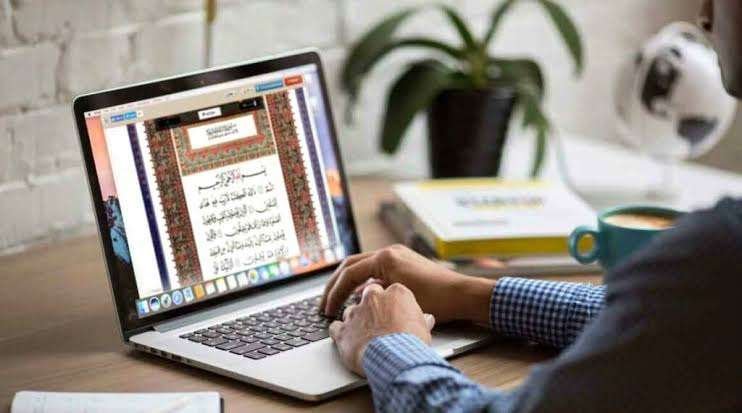
Is Online Islamic Learning as Effective as Traditional?
This is the question most adults genuinely want answered, and the honest answer is: it depends entirely on the quality of the institute and the commitment of the student — not the format.
What research and widespread student experience consistently show:
- One-on-one online classes often outperform group in-person settings for adult learners, because the pace is set by the student, not the class average
- Qualified teachers make the difference — an institute with certified, experienced scholars produces real results; an institute with underqualified tutors does not
- Flexibility increases consistency — adults who can schedule around their lives attend more regularly and retain more
The Prophet ﷺ said — as narrated in hadith collections — that seeking knowledge is an obligation upon every Muslim. There is no age ceiling on that obligation, and there is no format restriction either.
One institute genuinely worth exploring is the Online Islamic Institute (onlineislamicinstitute.org). They offer one-on-one live classes with qualified teachers, flexible scheduling designed around working adults, and structured courses covering Quran, Islamic studies, and Arabic. It’s the kind of setup that makes consistent learning realistic, not just aspirational — and they offer a free trial class so you can assess the quality before committing.
What to Look for Before Enrolling
Not all online madrasas are equal. Before signing up anywhere, ask these questions:
- Are the teachers formally qualified? What are their credentials?
- Is there a structured syllabus, or is it ad hoc?
- Are classes live and one-on-one, or pre-recorded group content?
- What is the minimum time commitment per week?
- Is there a trial class available?
- What languages does the institute teach in?
If an institute cannot answer these questions clearly, that itself is useful information.
How to Make It Work as a Busy Adult
The biggest challenge for adult learners isn’t finding a good online madrasa — it’s consistency. A few things that genuinely help:
- Start with one class per week. Sustainable beats ambitious every time.
- Treat it like a work meeting. Block the time and protect it.
- Share your goal with someone. Accountability dramatically improves follow-through.
- Review for 10 minutes between sessions. Even brief daily revision compounds significantly over months.
- Choose a specific goal first — whether that’s reading Quran fluently, understanding salah in Arabic, or completing a course in Islamic studies — then find an institute that teaches toward it.
Also Worth Reading
If you’re also weighing up whether online Islamic education can genuinely match the traditional experience, this blog post covers exactly that comparison in detail:
https://onlineislamicinstitute.org/online-vs-offline-islamic-education/
Taking the First Step
The question was never really whether online madrasas are effective. The question is whether you will take it seriously — and whether the institute you choose deserves that seriousness in return.
Adult Islamic learning is one of the most rewarding decisions a Muslim can make. The knowledge you gain shapes how you raise your children, how you understand your worship, and how grounded you feel in your own deen. Start small. Start now. The right teacher and the right platform make all the difference.