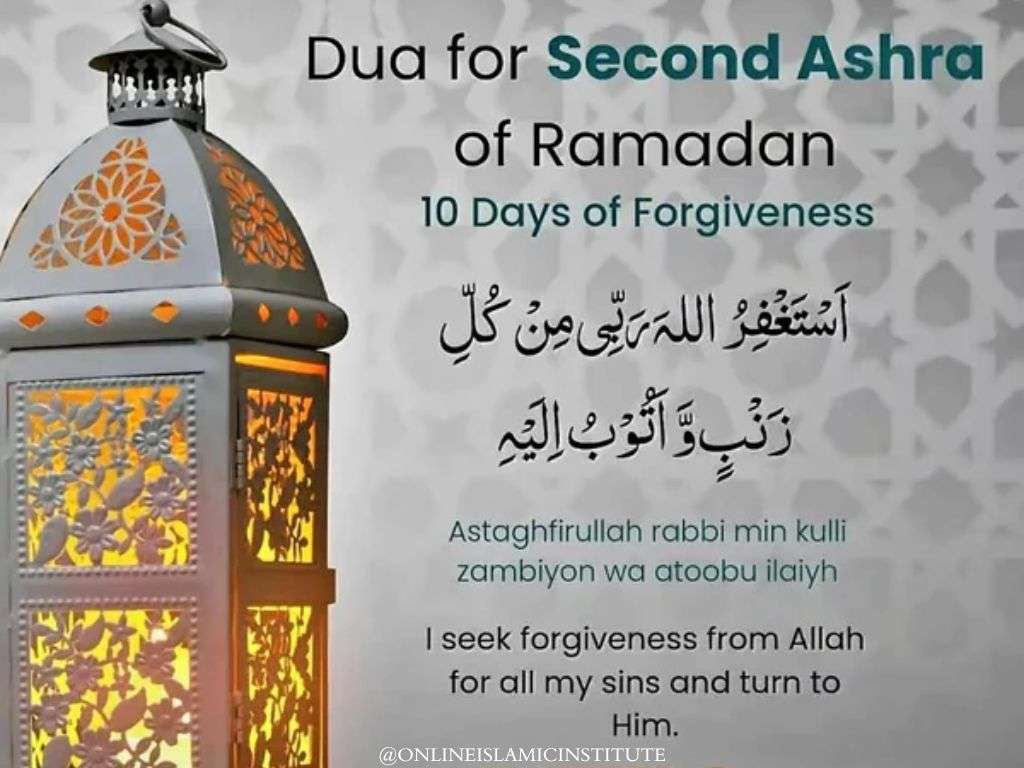
Ramadan is divided into three distinct phases, each carrying its own spiritual focus. The first ten days emphasize mercy, the second ten days center on forgiveness, and the final ten days highlight salvation from the Hellfire.
As we enter the second Ashra, we move deeper into the heart of Ramadan. The excitement of the beginning settles, routines are established, and a powerful opportunity emerges — the opportunity for sincere forgiveness and meaningful reflection.
A Transition from Mercy to Forgiveness
The first Ashra introduces us to Allah’s mercy. It softens the heart and reconnects us with worship. But the second Ashra challenges us to go further.
Forgiveness requires acknowledgment.
It requires recognizing our shortcomings, facing our mistakes honestly, and turning back to Allah with humility. Ramadan is not only about fasting from food and drink; it is about fasting from sins and harmful habits.
The second Ashra invites us to ask: What needs to change in my life?
The Door of Repentance Is Open
Allah reminds us in the Qur’an:
“And turn to Allah in repentance, all of you, O believers, that you might succeed.”
— Qur’an 24:31
This verse highlights that repentance is not optional — it is essential for success.
The middle ten days are a reminder that no matter how heavy our past mistakes feel, Allah’s forgiveness is greater. True tawbah (repentance) involves:
Recognizing the sin
Feeling sincere regret
Stopping the wrongdoing
Resolving not to return to it
Ramadan strengthens our ability to fulfill these conditions because our hearts are already softened through fasting and worship.
A Time for Honest Self-Reflection
Reflection is one of the most powerful acts of worship during this Ashra.
After ten days of fasting, it is beneficial to pause and evaluate:
Has my prayer improved?
Am I guarding my speech?
Have I reduced negative habits?
Is my heart softer than before Ramadan began?
The second Ashra is not about perfection — it is about progress. Reflection ensures that Ramadan does not pass without meaningful growth.
Seeking Forgiveness Frequently
The Prophet ﷺ consistently sought forgiveness, even though he was free from sin. This teaches us that istighfar is not only for major mistakes but also for strengthening humility.
Increasing simple phrases like:
Astaghfirullah
Allahumma innaka ‘afuwwun tuhibbul ‘afwa fa‘fu ‘anni
can deeply purify the heart.
Forgiveness brings peace. It removes the burden of guilt and replaces it with hope.
Repairing Relationships
Forgiveness in Ramadan is not limited to seeking it from Allah. It also includes repairing relationships with others.
Holding grudges, harboring resentment, or avoiding reconciliation weakens spiritual growth. The second Ashra is an ideal time to:
Apologize where necessary
Forgive those who wronged you
Reconnect with family members
Restore broken ties
Inner peace often begins with letting go.
Preparing for the Final Ten Nights
The second Ashra serves as preparation for the most powerful nights of Ramadan — the last ten, which include Laylatul Qadr.
Spiritual cleansing through repentance ensures that when those sacred nights arrive, the heart is ready. A heart burdened with unresolved sin may struggle to fully benefit from the final phase of Ramadan.
Forgiveness now strengthens worship later.
Avoiding Complacency
One challenge of the second Ashra is fatigue. The initial enthusiasm may decrease. Energy levels fluctuate. Distractions return.
This is precisely why reflection is essential.
The middle of Ramadan should not become a period of decline. Instead, it should be a moment of spiritual recalibration — correcting weaknesses and renewing intention.
Small consistent improvements during this Ashra can elevate the entire month.
Forgiveness as a Lifelong Habit
Ramadan trains believers in habits that extend beyond the month itself. The practice of seeking forgiveness daily should not end when Ramadan ends.
A believer who regularly reflects and repents maintains spiritual clarity throughout the year.
The second Ashra reminds us that success lies not in being sinless, but in constantly returning to Allah.
A Sacred Opportunity Not to Be Missed
The second Ashra of Ramadan is a quiet but powerful phase. It is less about outward celebration and more about inward correction.
It is a time to cleanse the heart, repair relationships, and seek sincere forgiveness before the final ten nights arrive.
As these days pass, let them not pass unnoticed. Let them be days of humility, tears, reflection, and renewal.
May Allah forgive our past mistakes, accept our repentance, and prepare our hearts for the final and most blessed nights of Ramadan.
Assalamu Alaikum wa Rahmatullahi wa Barakatuh.
.