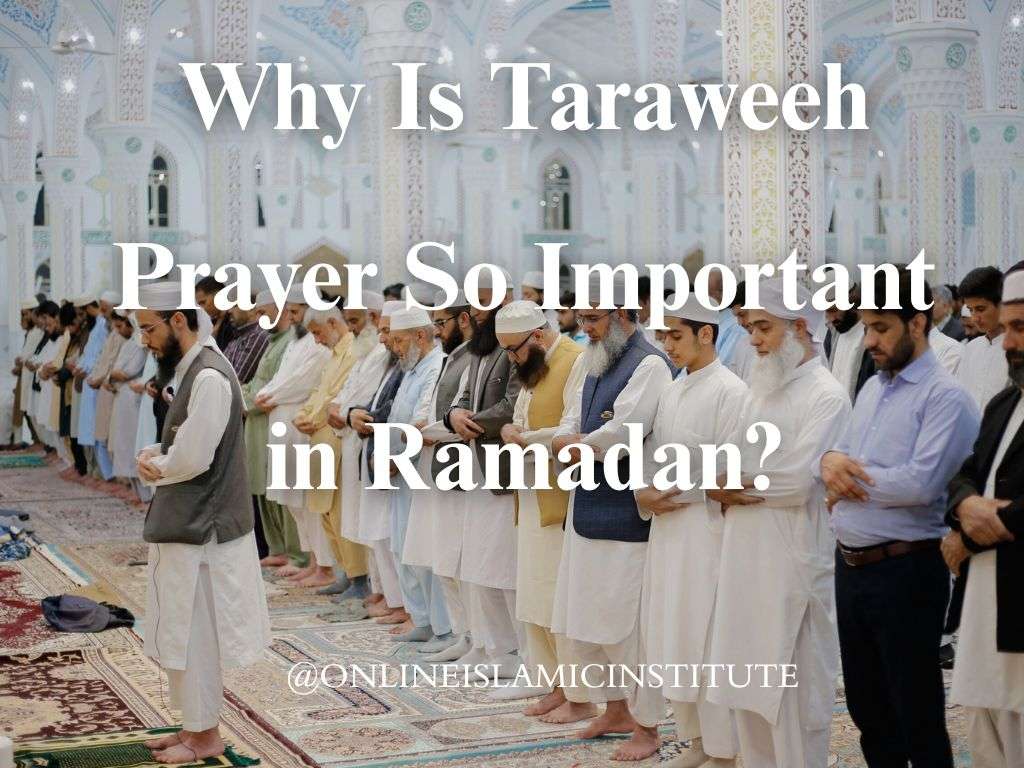
Taraweeh is one of the most beautiful gifts of Ramadan. It is a special night prayer performed only during the blessed month of Ramadan. After fasting the entire day, Muslims stand before Allah at night in prayer, seeking forgiveness, mercy, and closeness to Him.
Taraweeh is not an obligation like the five daily prayers, but it is a highly recommended Sunnah. It is a chance to increase reward and strengthen our connection with Allah during the most spiritual month of the year.
The word “Taraweeh” comes from an Arabic word that means “to rest.” This is because Muslims pray in sets of units and take short breaks in between. Traditionally, Taraweeh is prayed in congregation at the mosque, though it can also be prayed at home.
The beauty of Taraweeh lies in standing calmly, listening to the Quran being recited, and reflecting on its meanings.
The Prophet ﷺ prayed night prayer in Ramadan and encouraged others to do so. He said:
“Whoever stands in prayer during Ramadan with faith and seeking reward, his previous sins will be forgiven.”
— (Bukhari & Muslim)
This hadith shows how powerful Taraweeh can be. It is not just prayer — it is an opportunity for forgiveness.
Taraweeh helps the heart soften. During the day we fast from food and drink. At night, Taraweeh nourishes our soul. Listening to long portions of the Quran reminds us of Allah’s mercy, warnings, promises, and guidance.
Many people feel their hearts become calmer during Taraweeh. Tears flow, duas increase, and the connection with Allah grows stronger.
Another special part of Taraweeh is that the entire Quran is often recited over the month in congregation. This allows Muslims to hear and complete the Quran together as a community.
Standing shoulder to shoulder in prayer reminds us that we are united in worship.
For children, Taraweeh can be a beautiful introduction to loving the mosque. Even if they cannot pray the full prayer, allowing them to attend sometimes helps them feel the Ramadan atmosphere.
Parents should gently encourage without forcing. The goal is to build love for worship, not pressure.
Taraweeh also teaches patience and discipline. Standing for longer periods reminds us that worship requires effort. But this effort is sweet, because it is done for Allah.
When something is done sincerely for Allah, it brings peace instead of hardship.
Some people wonder how many rak‘ahs Taraweeh has. Scholars have different opinions, but the most common practice is 8 or 20 rak‘ahs, followed by Witr prayer. Islam allows flexibility, and what matters most is sincerity and consistency.
Even praying a few rak‘ahs with focus is better than many without concentration.
Taraweeh is also a time for personal dua. After prayer, many people raise their hands and ask Allah for forgiveness, guidance, and blessings. Ramadan nights are filled with mercy, and Allah loves when His servants turn to Him.
The quiet of the night makes dua feel deeper and more personal.
For those who cannot attend the mosque, Taraweeh at home still carries great reward. Women, elderly people, or those who are busy can pray calmly at home and receive reward, insha’Allah.
Allah looks at the heart, not the place.
Taraweeh reminds us that Ramadan is not just about hunger. It is about spiritual growth. The days train the body, and the nights train the soul.
When Ramadan ends, many people say they miss Taraweeh the most. This shows how special it truly is.
If we attend Taraweeh regularly, we notice a change in ourselves. Our speech becomes softer, our patience increases, and our love for the Quran grows.
This is the true purpose of Ramadan — transformation of the heart.
Growing Spiritually in Ramadan
If you want to understand Taraweeh deeply, learn the meanings of the Quran recited during prayer, and grow spiritually step by step, Online Islamic Institute offers valuable guidance.
They provide premium paid Islamic courses for all ages, helping you strengthen your connection with Allah in a structured and meaningful way, insha’Allah.
👉 Explore: onlineislamicinstitute.org
May Allah allow us to stand in Taraweeh with sincerity, accept our prayers, forgive our sins, and make this Ramadan a source of lasting change in our hearts.
Assalamu Alaikum wa Rahmatullahi wa Barakatuh.